Best Cheap Insurance with Maximum Coverage: How to Save Thousands Per Year

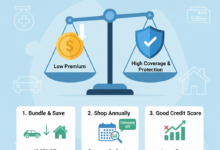
Finding insurance that is both affordable and comprehensive often feels impossible. Many people assume cheap insurance automatically means weak protection, while full coverage always comes with high premiums. In reality, smart policy selection and timing can help you get maximum coverage at a surprisingly low cost—sometimes saving thousands of dollars per year.
This guide explains how cheap insurance really works in the United States, which strategies matter most, and how to avoid paying for coverage you don’t actually need.
-
-

-

-
 Best Business Insurance for Small Businesses in the United StatesJanuary 12, 2026
 -
 Best Homeowners Insurance Companies with High Claim Approval RatesJanuary 12, 2026
 -

What “Cheap Insurance” Really Means

Cheap insurance doesn’t mean minimal protection. It means:
-
Paying only for risks that truly apply to you
-
Avoiding unnecessary add-ons and inflated coverage limits
-
Choosing insurers with efficient pricing models and strong claims records
The goal is value, not just the lowest monthly bill.
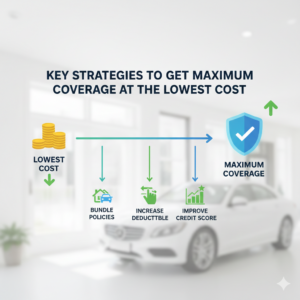
Key Strategies to Get Maximum Coverage at the Lowest Cost
1. Bundle Multiple Insurance Policies
Bundling auto, home, renters, or even life insurance with the same provider often unlocks major discounts.
Common savings range: 10%–25% annually
This strategy works best with large insurers that reward long-term customers.
2. Increase Deductibles Strategically
A higher deductible lowers your monthly premium. If you have an emergency fund, this trade-off can be financially smart.
Example:
-
$500 deductible → higher premium
-
$1,000 deductible → lower premium, same coverage
Over time, the savings often outweigh the increased out-of-pocket risk.
3. Compare Coverage, Not Just Price
Many people overpay because they don’t compare policy details. Two policies with similar prices can offer very different protection.
Always check:
-
Coverage limits
-
Exclusions and fine print
-
Claim payout history
A slightly higher premium with better claim reliability is often cheaper in the long run.
4. Use Usage-Based and Digital Discounts
Modern insurers reward responsible behavior and low risk:
-
Safe driving apps
-
Low mileage programs
-
Smart home security systems
-
Online-only policy management
These discounts quietly add up year after year.
5. Review and Adjust Policies Annually
Life changes fast. Marriage, moving, paying off loans, or working remotely can all reduce insurance costs.
Many Americans overpay simply because they never update old policies.
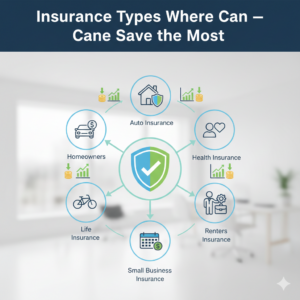
Insurance Types Where You Can Save the Most
-
Auto Insurance: Safe driving discounts, mileage tracking, bundling
-
Homeowners Insurance: Security upgrades, loyalty discounts
-
Health Insurance: Marketplace subsidies, HSA-compatible plans
-
Life Insurance: Buying younger and choosing term over whole life
In each category, timing and customization matter more than brand names.
Insurers Known for Affordable Coverage with Strong Protection
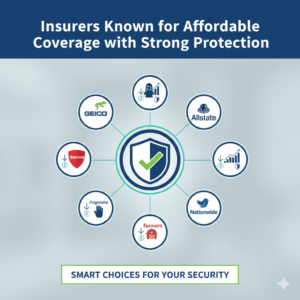
While pricing varies by state and profile, these providers are often competitive:
-
GEICO
-
Progressive
-
State Farm
-
Allstate
-
Nationwide
The best insurer is the one that fits your risk profile—not necessarily the most advertised one.
Final Thoughts
Saving thousands per year on insurance isn’t about cutting corners—it’s about making informed choices. By understanding what coverage you truly need, comparing policies carefully, and reviewing your plans regularly, you can enjoy full protection without draining your budget.
Cheap insurance becomes powerful insurance when it’s chosen wisely.